
GNB Launches Community Resilience Project in Shyamnagar
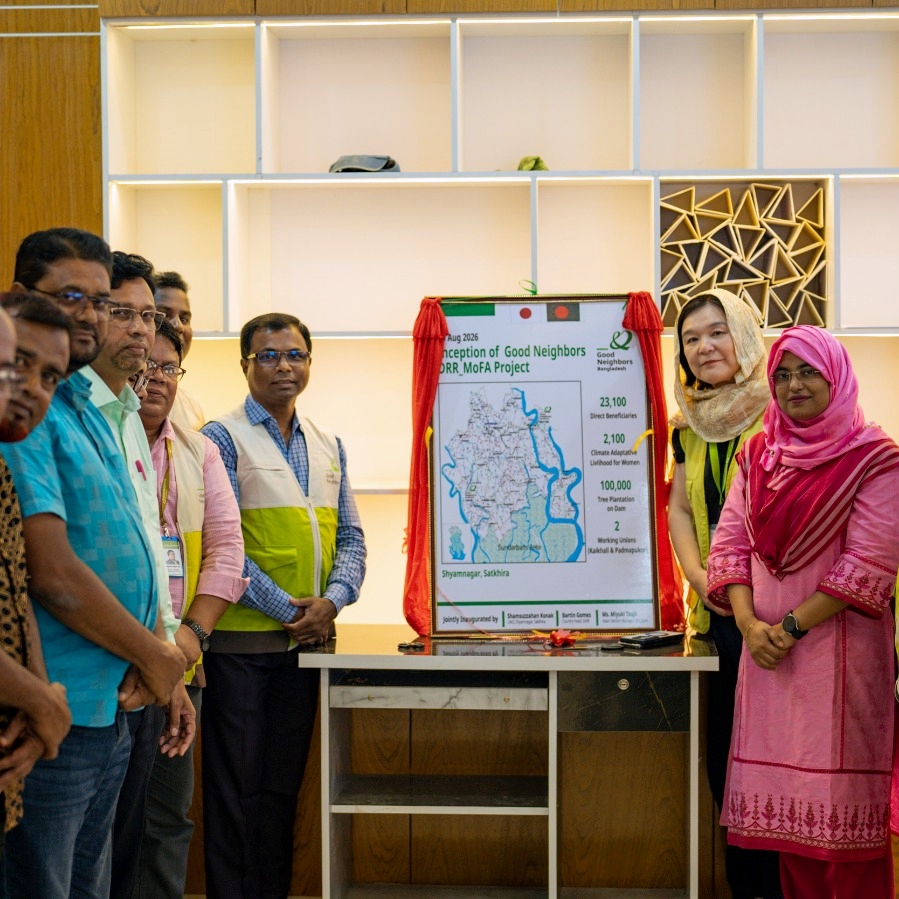
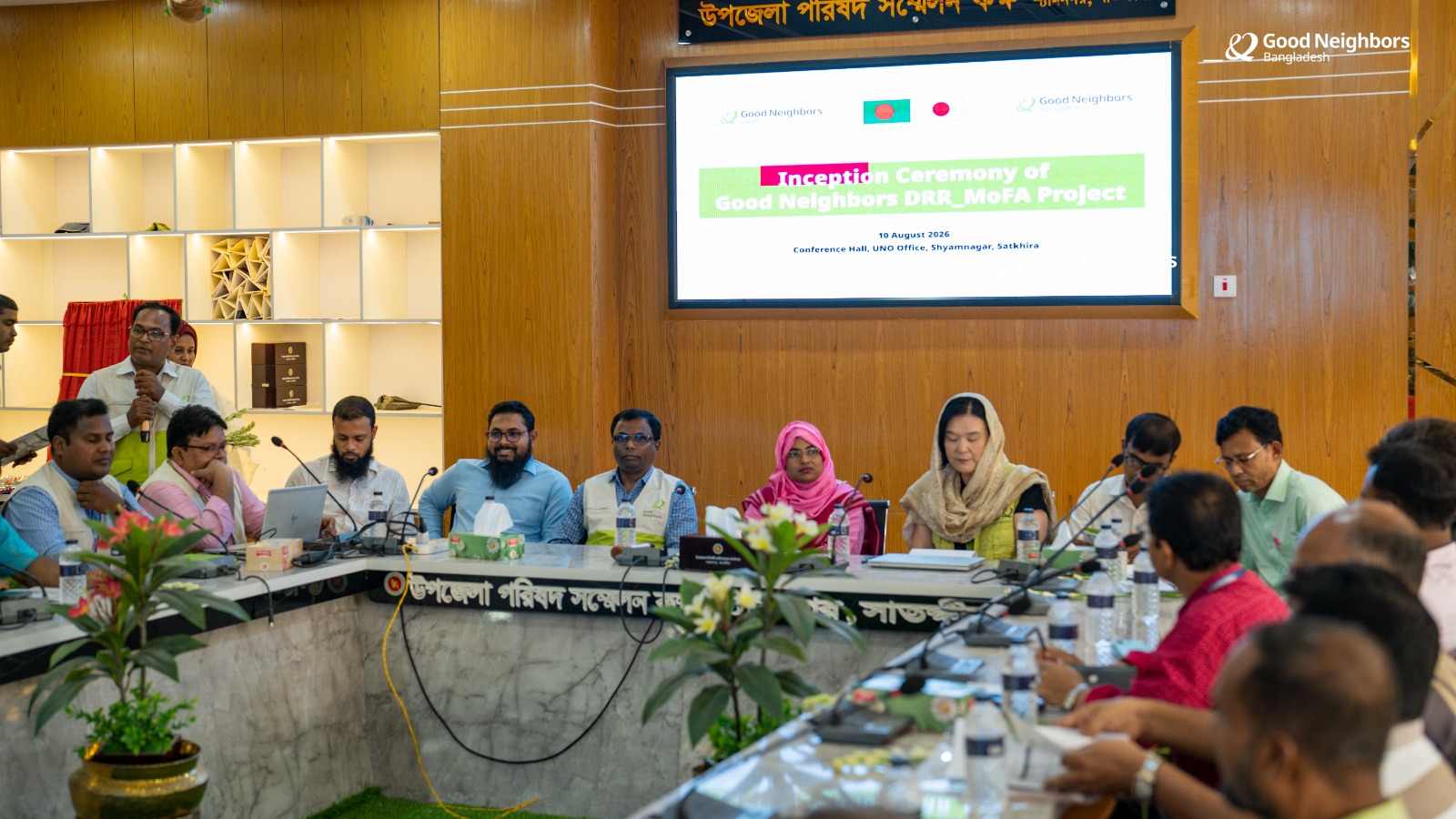
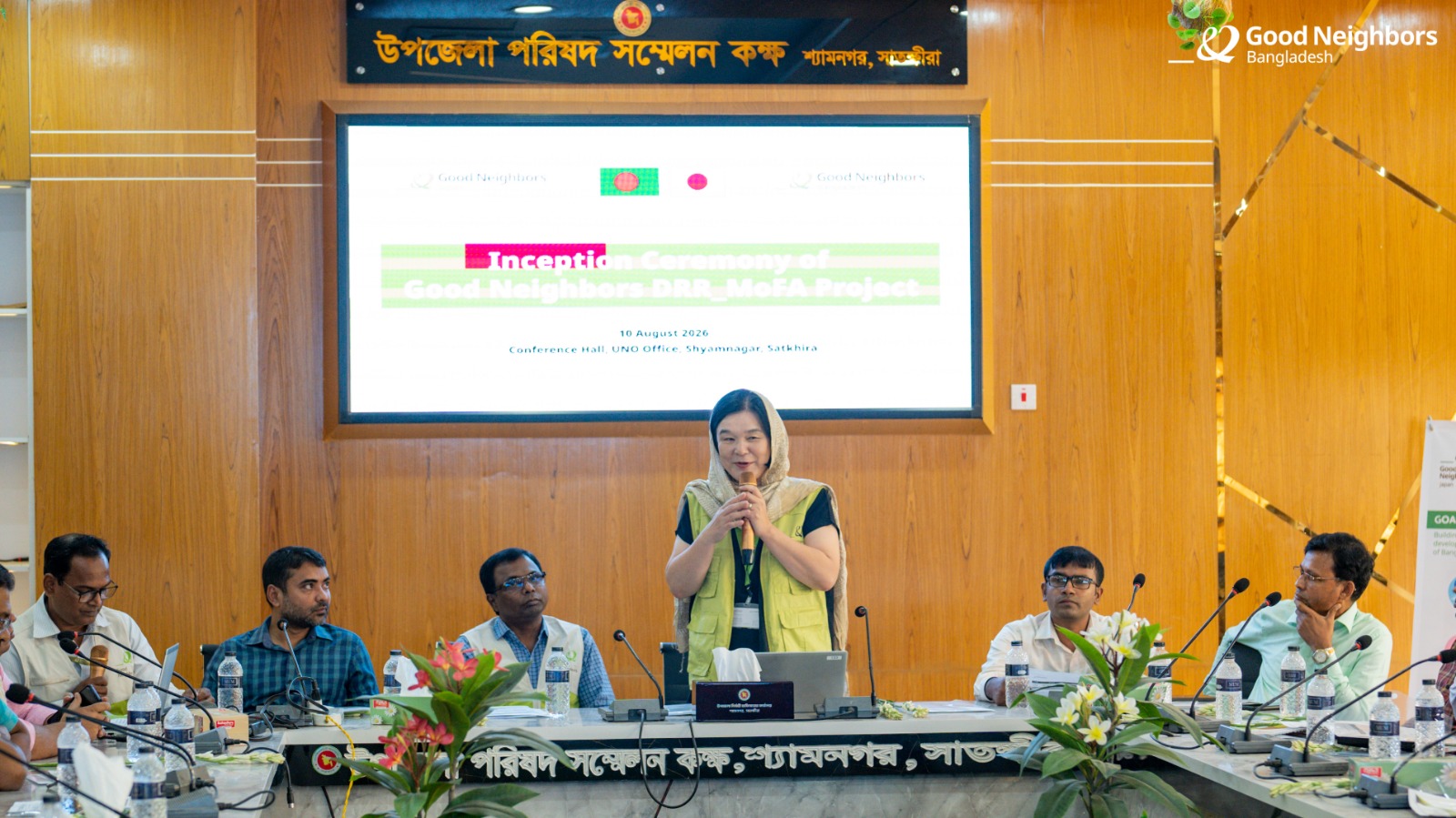
Good Neighbors Bangladesh (GNB) officially launched the“Stronger Together: Community Resilience through Inclusive Approach Project” through an Inception Ceremony held at the UNO Office Conference Hall in Shyamnagar. The initiative marks a significant step toward strengthening disaster resilience, empowering women, and promoting environmental sustainability in Bangladesh’s climate-vulnerable coastal communities.
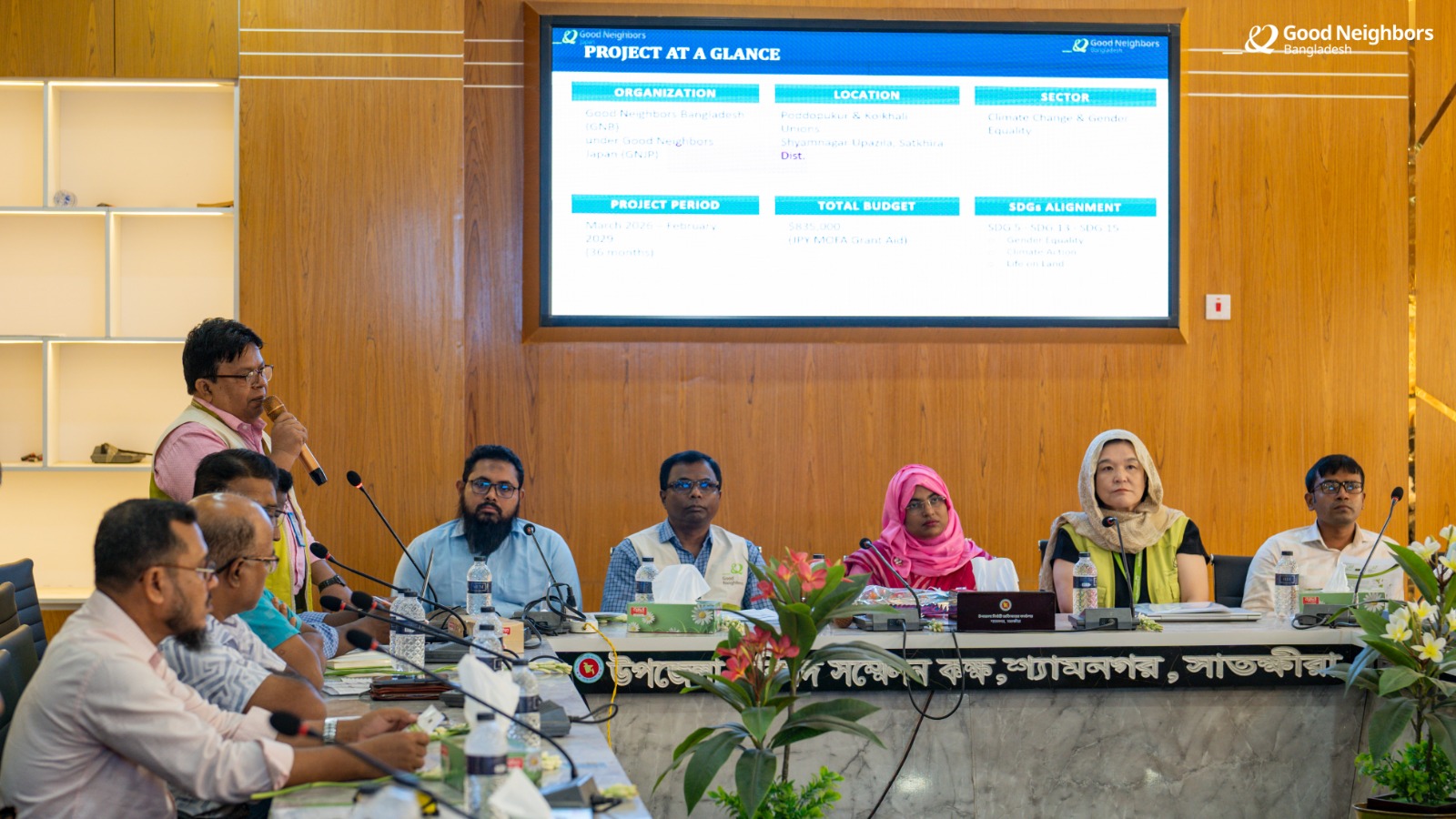
Implemented by Good Neighbors Bangladesh (GNB) under Good Neighbors Japan (GNJP), the project is funded by the Ministry of Foreign Affairs (MOFA), Japan through its Grant Aid for NGO Collaboration program. The project will run from March 2026 to February 2029 with a total budget of USD 835,000.
The project will be implemented in Poddopukur and Koikhali Unions of Shyamnagar Upazila, Satkhira, one of the country’s most disaster-prone coastal regions. Communities in the area regularly face cyclones, storm surges, flooding, salinity intrusion, and coastal erosion, which continue to threaten lives, livelihoods, and local ecosystems.
Addressing Coastal Vulnerabilities Through a Comprehensive Approach
Bangladesh’s coastal zone covers approximately 32 percent of the country’s land area and is home to millions of people who are highly exposed to climate-related disasters. In Shyamnagar, recurring cyclones and rising salinity have severely affected agriculture, fisheries, drinking water sources, and household livelihoods. Women often bear the greatest burden, particularly when male family members migrate in search of work, leaving them responsible for households during emergencies.
To address these challenges, the project adopts an inclusive and community-centered approach focused on three key pillars:
- Disaster Preparedness and Risk Reduction
- Women’s Economic Empowerment
- Environmental Sustainability and Climate Resilience
Key Project Interventions
The three-year initiative will introduce a range of resilience-building activities designed to enhance community capacity and reduce disaster risks.
Major interventions include:
- Construction of two new cyclone shelters and renovation of five cyclone shelter-cum-schools.
- Formation of 84 community groups involving approximately 2,100 members, primarily women.
- Training and equipping 100 community volunteers, with at least 60% female participation, to support emergency preparedness and response efforts.
- Community-based early warning dissemination and disaster preparedness mock drills.
- Plantation of 100,000 trees along embankments to reduce erosion and create natural barriers against cyclones and tidal surges.
- Climate-smart livelihood training, entrepreneurship development, market linkage support, and financial assistance for women-led income-generating activities.
Empowering Women as Agents of Resilience
Women’s empowerment is a central component of the project. Many women in coastal areas face limited access to land, finance, education, and formal employment opportunities. Through group-based learning, climate-smart livelihood training, and market integration support, the project aims to strengthen women’s income-generating capacity and increase their participation in community decision-making processes.
Training opportunities will include mushroom cultivation, sack gardening, poultry farming, tailoring, and other environmentally adaptive livelihood options. Selected participants will also receive support to establish and expand their small businesses, helping them achieve greater economic resilience.
Inception Ceremony Highlights
The inception ceremony brought together local government representatives, Union Parishad leaders, community stakeholders, and development practitioners to discuss collaborative efforts for disaster risk reduction and climate resilience in the coastal region.
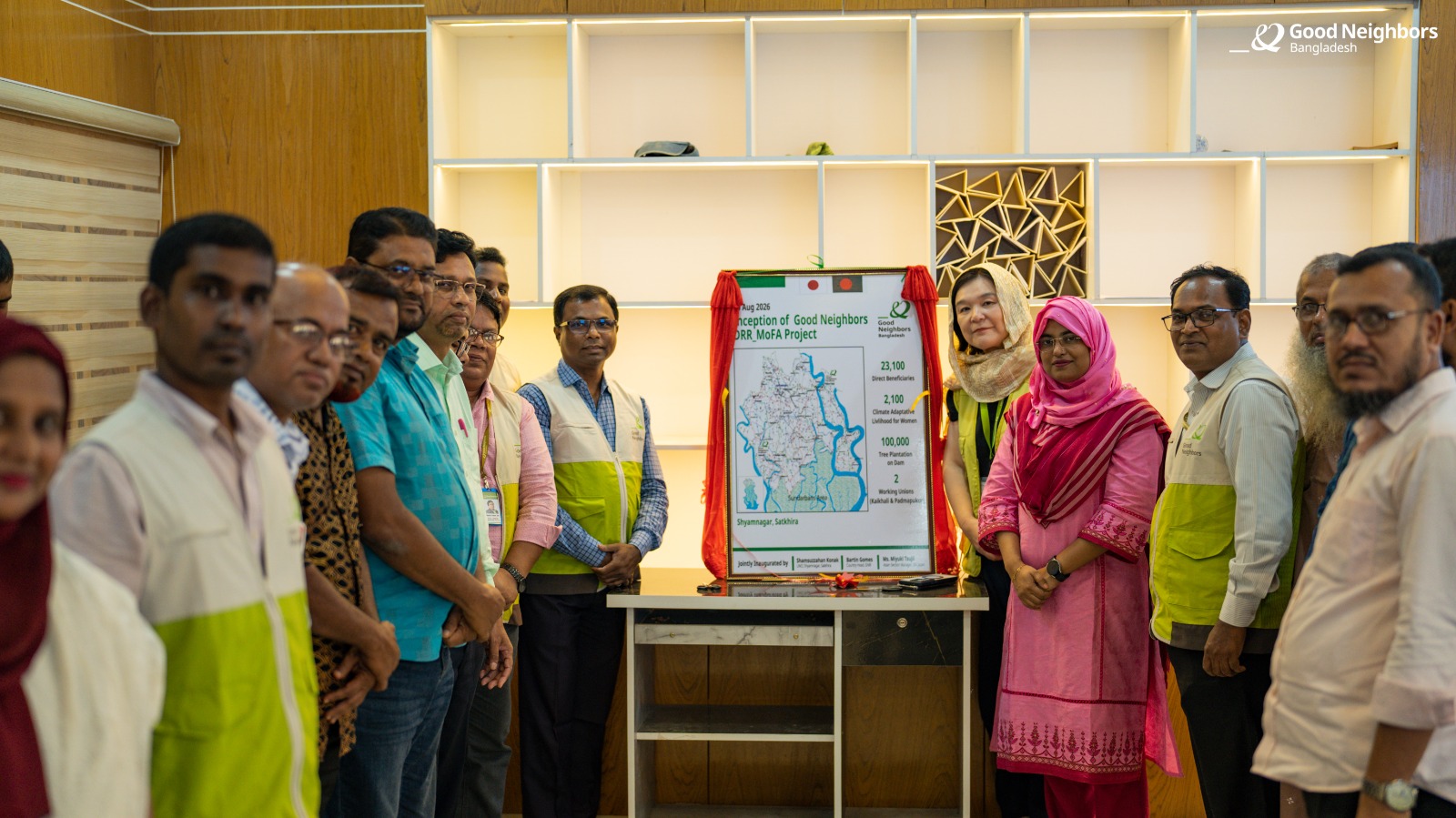
The Guest of Honor, Ms. Miyuki Tsujii, Asian Section Manager of Good Neighbors Japan, highlighted the importance of community ownership and inclusive participation in building sustainable resilience.
The Chief Guest, Shamsuzzahan Konok, Upazila Nirbahi Officer (UNO) of Shyamnagar, commended the initiative and expressed the local administration’s commitment to supporting its successful implementation.
The ceremony was chaired by Bartin Gomes, Country Head of Good Neighbors Bangladesh, who emphasized the importance of collective action among communities, local government institutions, and development partners in addressing climate and disaster-related challenges.
Expected Impact
The project is expected to directly benefit approximately 9,400 people and indirectly reach around 37,600 people through improved disaster preparedness systems, safer infrastructure, enhanced livelihoods, and environmental conservation measures.
By combining infrastructure development, community-based disaster preparedness, women’s economic empowerment, and environmental restoration, the project seeks to create long-term resilience and sustainable development outcomes for coastal communities in Shyamnagar.
The event concluded with the project’s official inauguration through a ribbon-cutting ceremony by the distinguished guests, symbolizing a new chapter in the journey toward building safer, stronger, and more resilient communities in coastal Bangladesh.
Related stories
 September 4, 2026
GNB 30 Impact Stories | 2026
 August 15, 2026
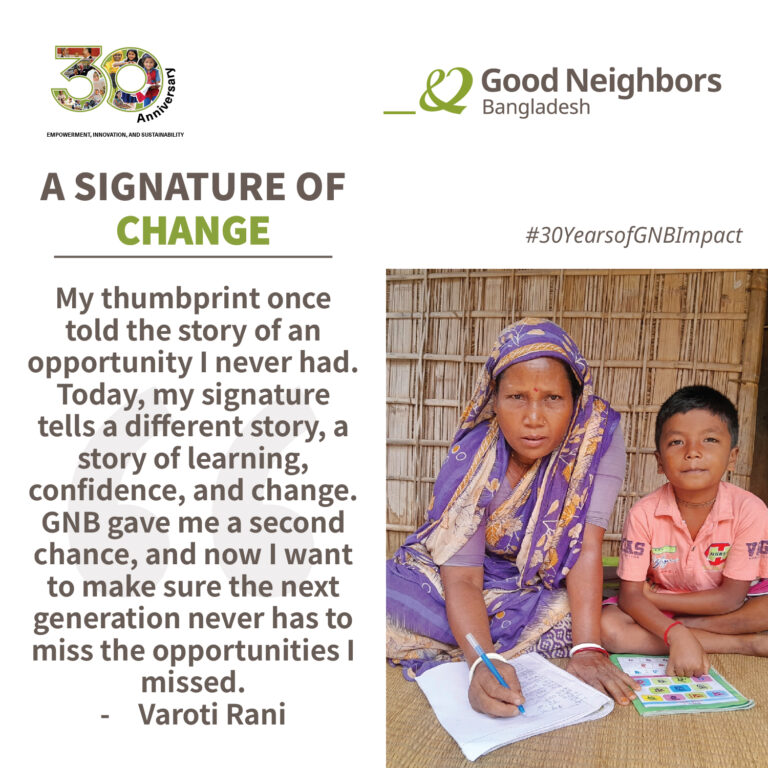
From Thumbprint to Signature: A Second Chance to Learn
 August 15, 2026