
From Thumbprint to Signature: A Second Chance to Learn
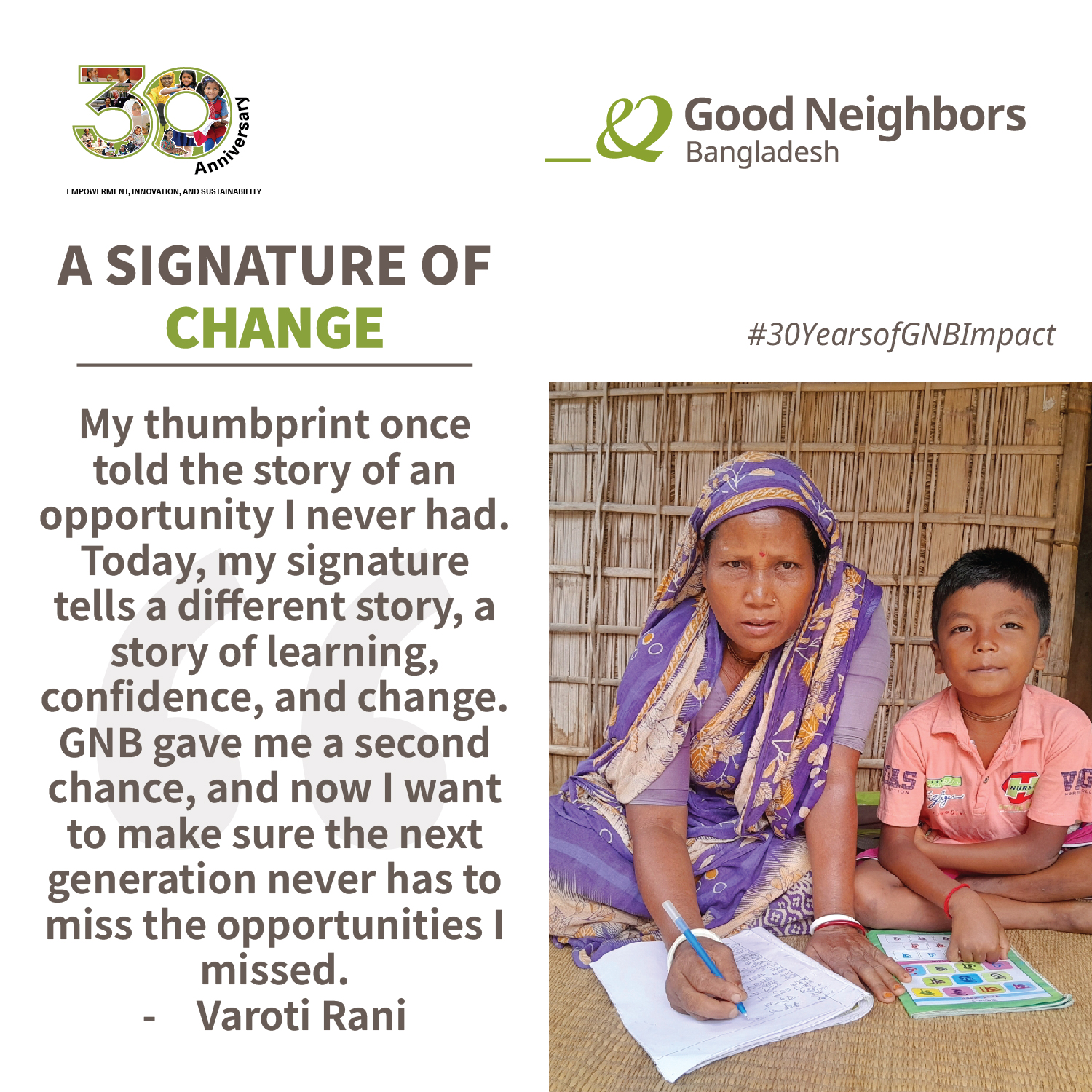
The Mark That Told a Story
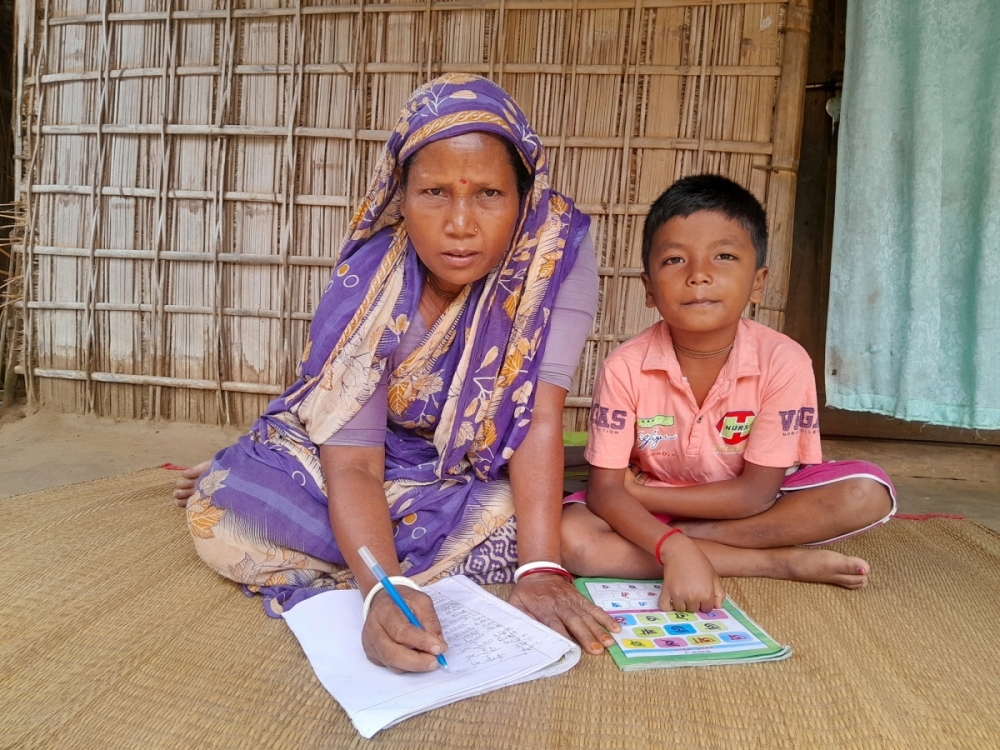
For decades, Varoti Ranisigned official documents
with an ink-stained thumbprint.
For many people, it may have looked like an ordinary mark on
paper.
For Varoti Rani, it represented something much deeper.
It reminded her that she had been denied the opportunity to
learn to read and write as a child. It meant depending on others for tasks that
many people take for granted—reading a simple message, understanding written
information, completing basic calculations, or signing her own name.
And like many mothers in rural Bangladesh who missed out on
formal education, Varoti Rani faced the limitations that illiteracy can bring
to everyday life.
But her story did not end there.
When Learning Gets a Second Chance
Good Neighbors Bangladesh believes that education should not
have an age limit.
With the belief that “an educated mother can lead an
educated generation,” GNB introduced an Adult Literacy Program
across its Community Development Project areas.
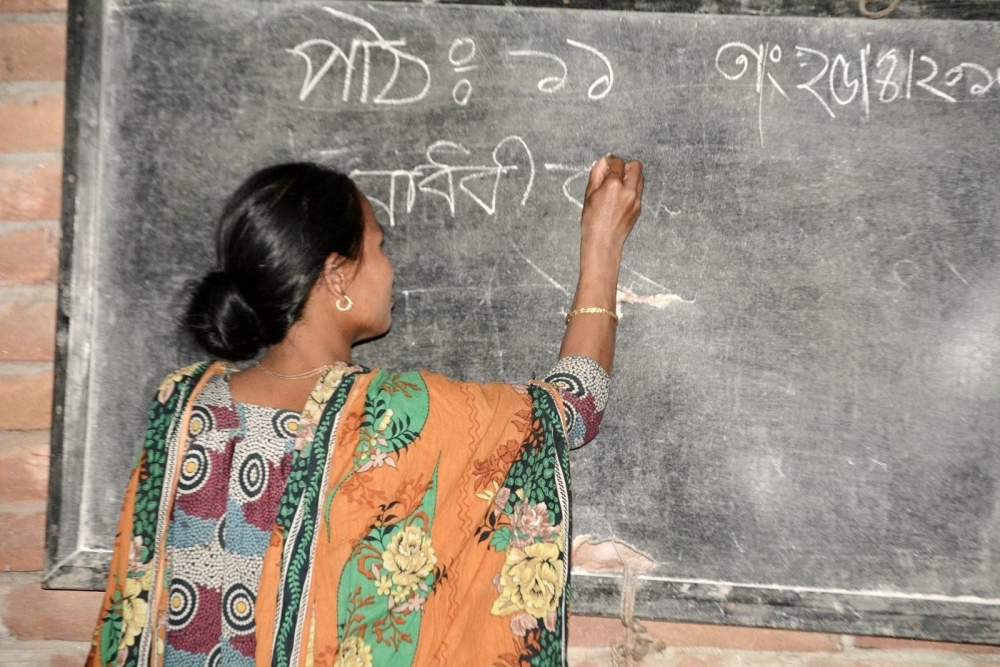
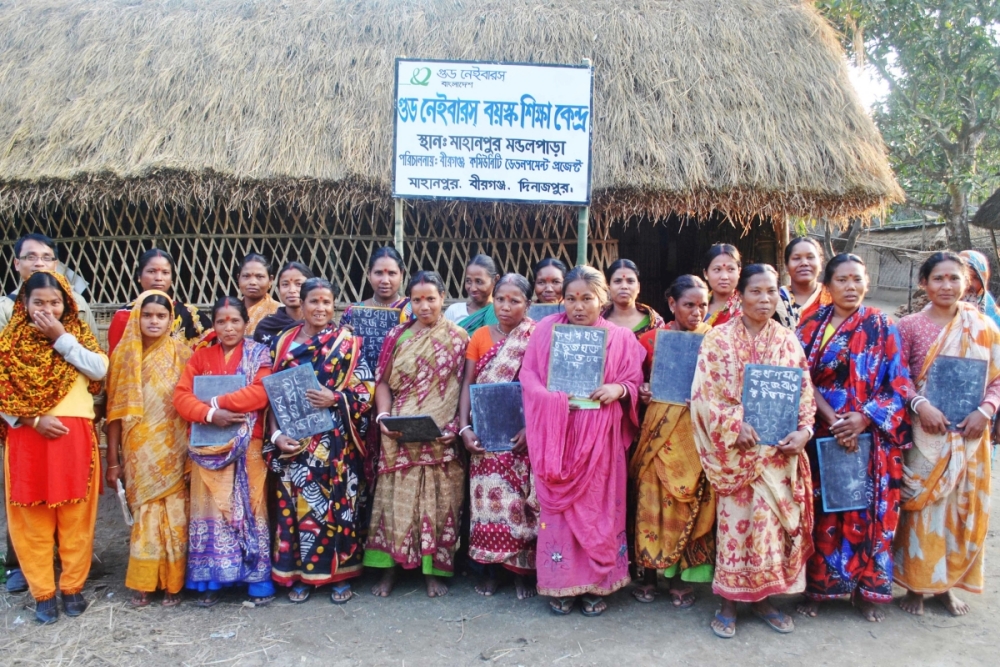
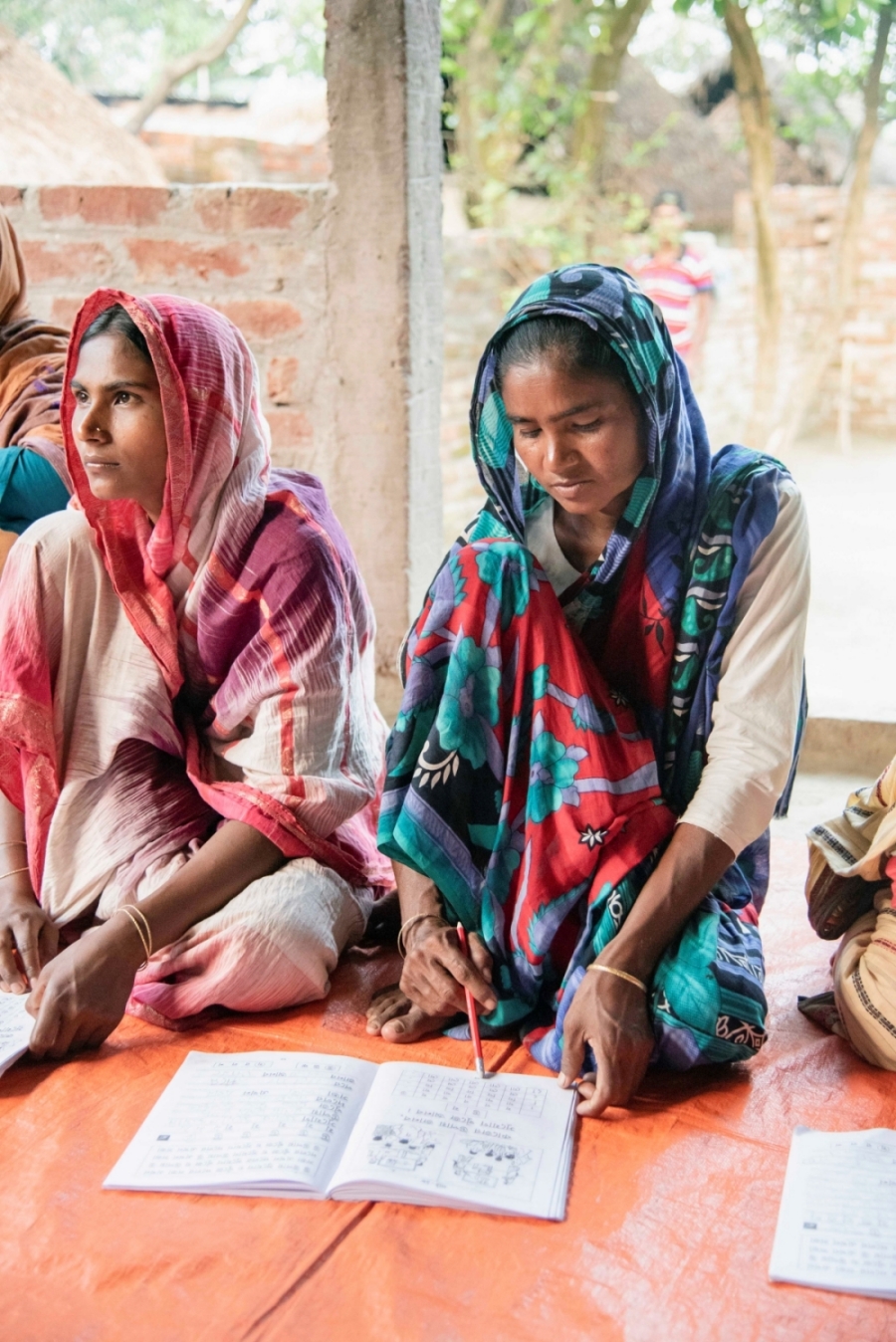
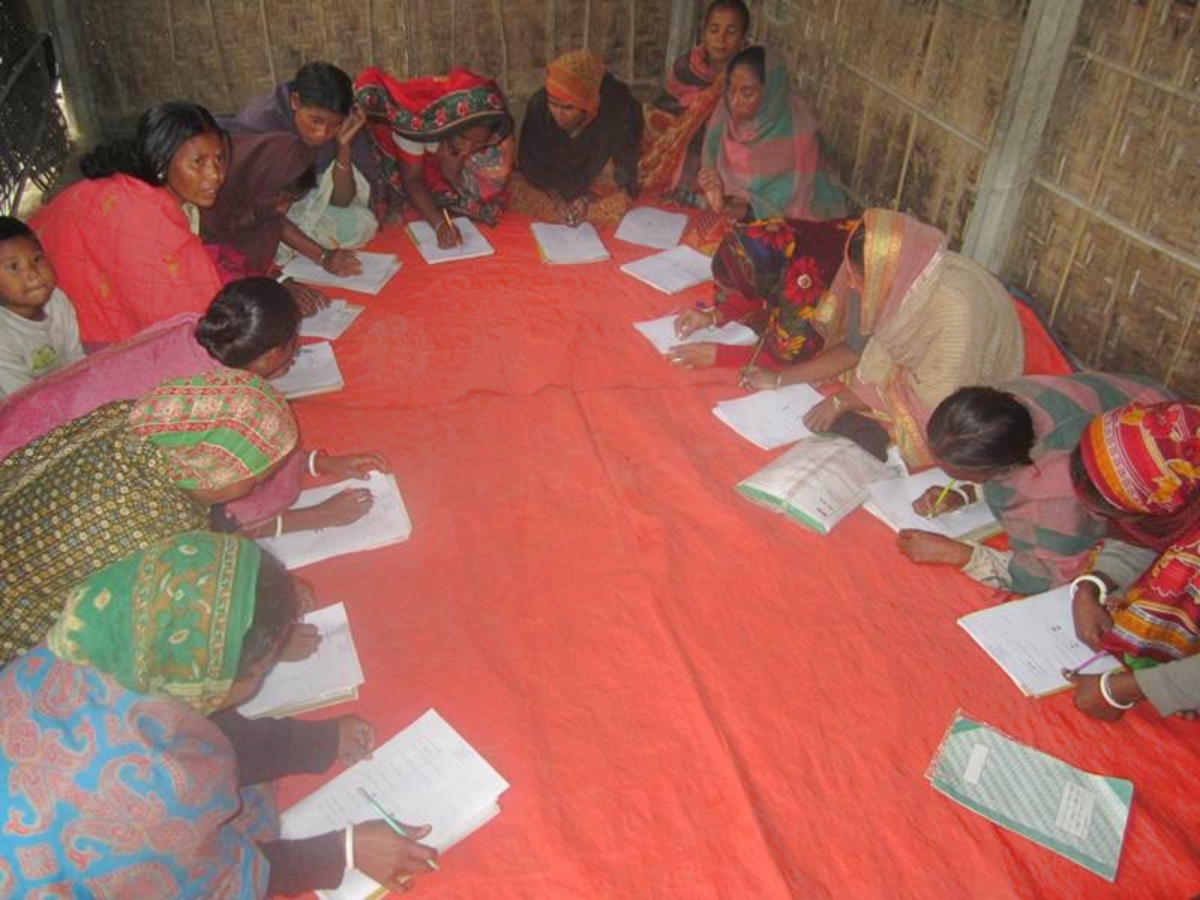
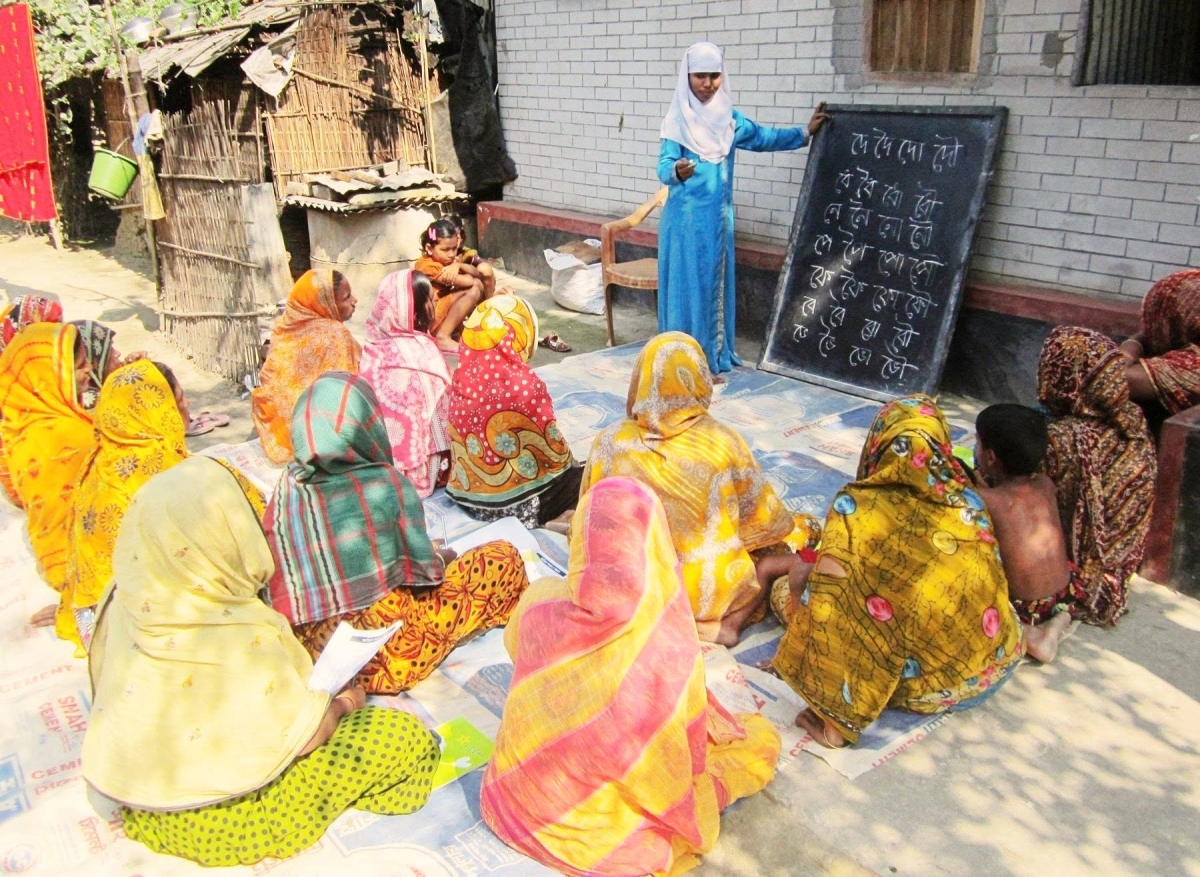
The program created community-based learning opportunities
where women who had missed formal schooling could return to education in a
safe, supportive environment.
With the guidance of trained local facilitators,
participants developed basic skills in:
- Reading
and understanding simple texts
- Writing
and signing their names
- Basic
numeracy and calculations
- Managing
everyday information and tasks
- Supporting
their children’s education
But the goal was never simply to teach women how to read and
write.
The deeper goal was to help them become more confident,
independent, and informed members of their families and communities.
For Varoti Rani, Everything Changed With a Signature
For Varoti Rani, the learning journey became deeply
personal.
Step by step, she learned to recognize words, write,
calculate, and navigate everyday tasks more independently.
And then came a simple but powerful transformation:
She could sign her own name.
A signature may seem small.
But for someone who had used a thumbprint for decades, it
represented independence and dignity.
“If GNB had not given me this opportunity, I would still
be using my thumbprint instead of my signature.”
— Varoti Rani Shil
Her words capture the real meaning of adult literacy.
It is not simply about learning letters.
It is about being able to participate more confidently in
everyday life.
From Learner to Role Model
The impact of Varoti Rani’s education extends beyond
herself.
Today, she encourages her grandchildren to remain in school
and make the most of educational opportunities.
She understands firsthand what it means to grow up without
access to learning.
And she does not want the next generation to face the same
limitations.
Her journey reflects an important truth:
When a mother learns, the benefits can travel across
generations.
An educated mother can better support her children’s
learning, make more informed decisions, and encourage the next generation to
value education.
The transformation therefore moves from one woman to one
family—and from one family to the wider community.
More Than Literacy
Across GNB’s Adult Literacy Program, women are gaining
skills that can change how they engage with their families and communities.
They are becoming less dependent on others for basic
reading, writing, and counting.
They can better understand information, support their
children’s education, and participate more confidently in household and
community decisions.
Most importantly, they are discovering that it is never
too late to learn.
For women who were once left behind by the formal education
system, the learning center becomes more than a classroom.
It becomes a place of confidence, connection, and
possibility.
Building an Educated Generation
Adult literacy is sometimes measured by the ability to read
a sentence or write a name.
But its true impact is much larger.
It can mean a mother understanding her child’s schoolwork.
It can mean confidently reading important information.
It can mean making everyday calculations without depending
on someone else.
It can mean signing a document independently.
And it can mean telling a grandchild:
“Stay in school. Learn. Take the opportunities I never
had.”
That is how literacy becomes intergenerational change.
30 Years of Creating Second Chances
For 30 years, Good Neighbors Bangladesh has worked alongside
communities to create opportunities for people to build healthier, more secure,
and more empowered lives.
Varoti Rani’s story represents one of the most fundamental
forms of empowerment: the opportunity to learn.
Her journey from a thumbprint to a signature may appear
simple.
But behind that signature is a story of courage,
persistence, dignity, and a second chance.
And perhaps the most powerful part of her story is what
comes next.
Her learning does not end with her.
It continues through the children and grandchildren she
inspires.
One woman learns.
A family becomes stronger.
A new generation sees new possibilities.
That is the transformative power of education.
30 Years of Good Neighbors Bangladesh
Empowering women. Expanding opportunities. Building an
educated and resilient generation.
Related stories
 October 12, 2026
GNB Highlights Youth Development at the 1st RCASBC International Conference 2026
 September 4, 2026
GNB 30 Impact Stories | 2026
 August 15, 2026