
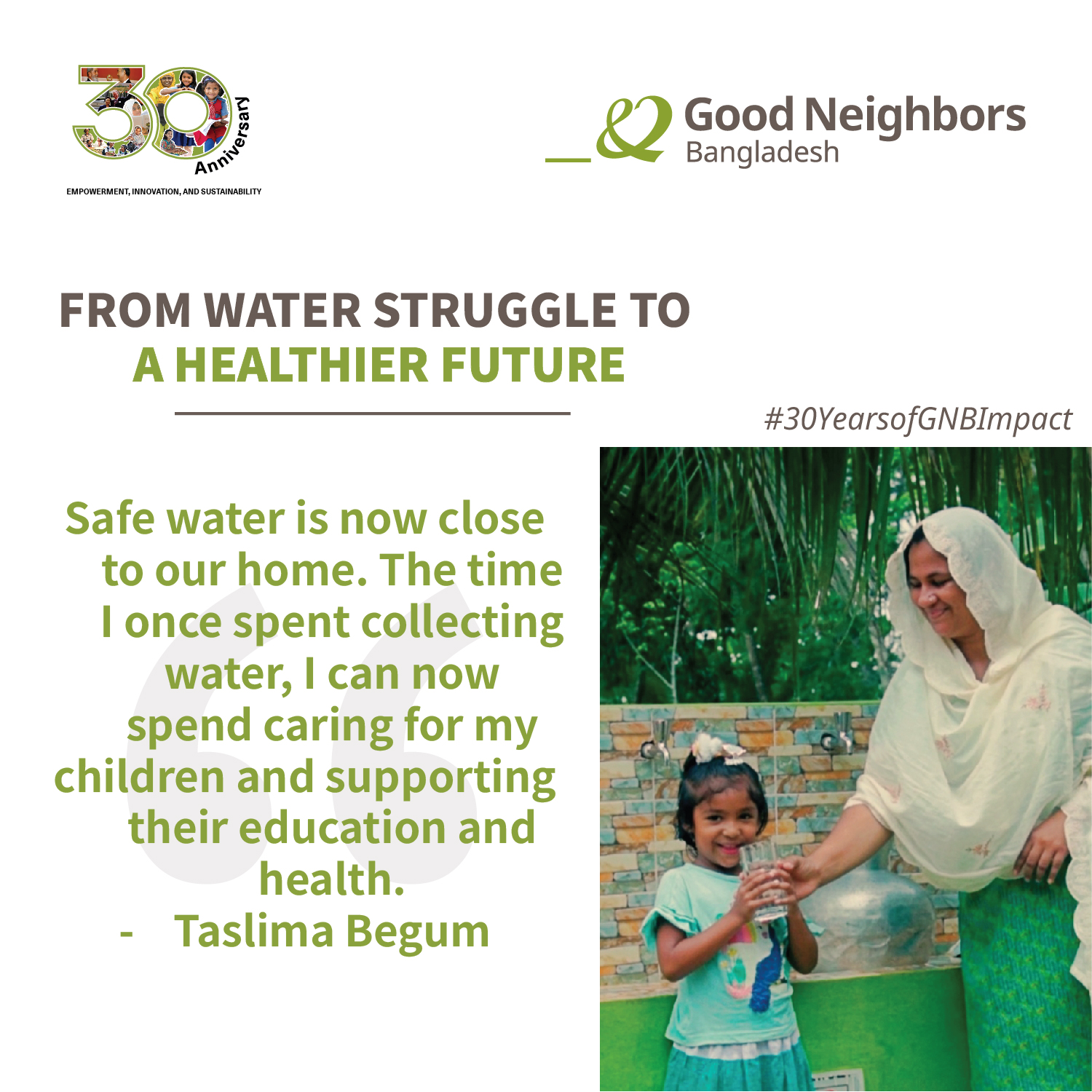
FROM WATER STRUGGLE TO A HEALTHIER FUTURE
A Daily Struggle for Something Essential
For families living in the coastal communities of Taltali, safe drinking water was once far from guaranteed.
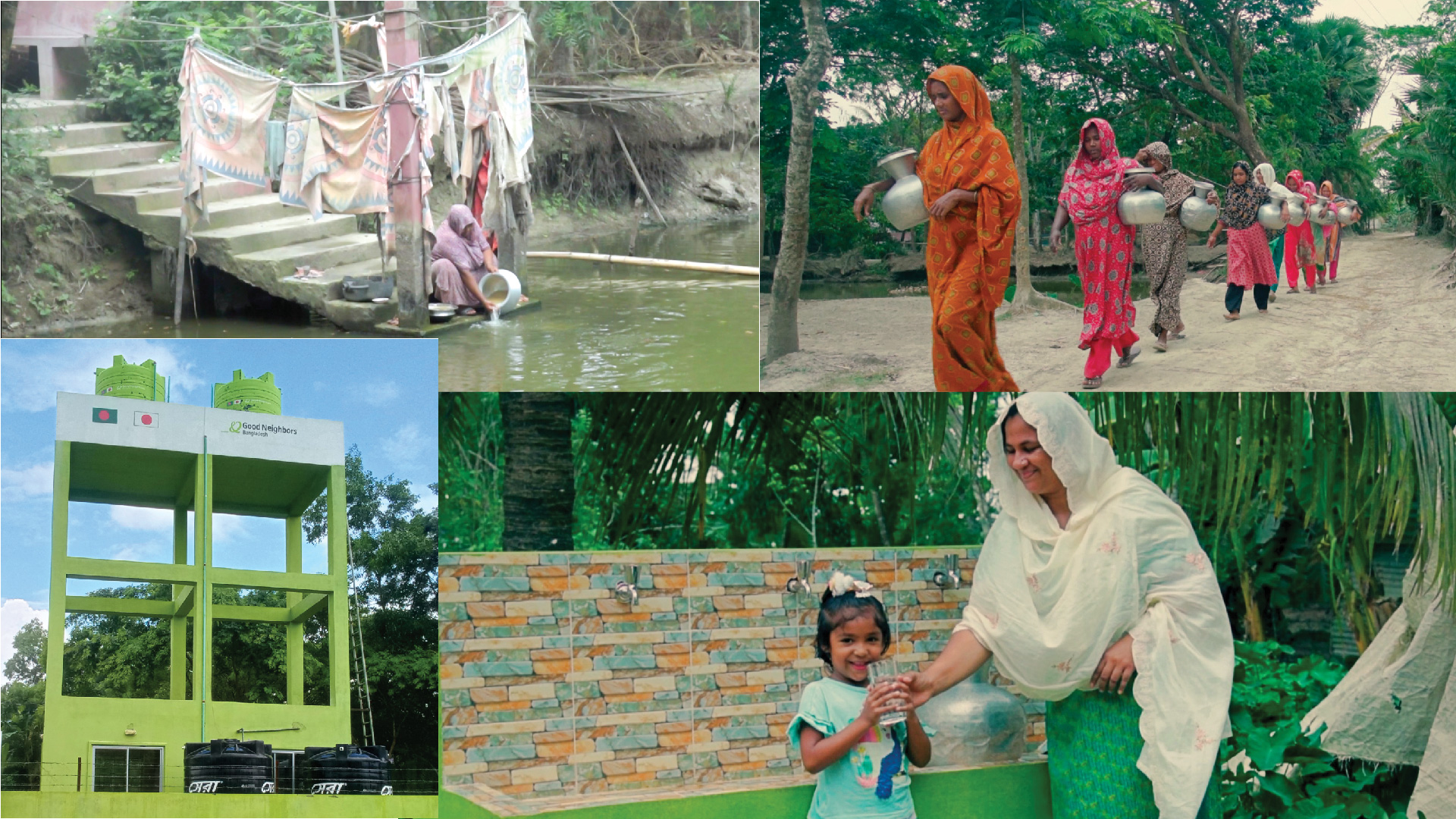
Salinity intrusion, limited freshwater sources, and unreliable access meant that families often depended on ponds, shallow tube wells, and seasonal rainwater. Finding suitable water was not simply a household task—it was a daily challenge that affected health, hygiene, children, and family life.
For children in particular, unsafe water can create risks that go far beyond a glass of drinking water. Water-related illness can affect their wellbeing, school attendance, and ability to thrive.
For years, families had little choice but to manage these challenges with the resources available to them.
Turning a Water Challenge into a Community Solution
Recognizing the importance of safe water for human health and dignity, Good Neighbors Bangladesh (GNB), with support from the Embassy of Japan through the Grant Assistance for Grassroots Human Security Projects, established a community-based Safe Water Project in Taltali.
The project introduced a modern water treatment facility and strategically located water collection booths, bringing purified water closer to the communities that need it most.
The intervention was designed not simply to provide infrastructure, but to create a sustainable system that communities themselves could manage and protect.
That distinction has made the project’s impact much greater.
More Than Safe Water
Today, families collect purified water for drinking and cooking as part of their everyday lives.
The change may appear simple: a family can access safe water closer to home.
But behind that simple change is a transformation in daily life.
Families spend less time searching for suitable water. Children are better protected from the risks associated with unsafe drinking water. Awareness of safe water and hygiene practices has increased. And communities have gained greater confidence in managing a resource that is essential to their wellbeing.
Safe water has become not just a service, but a healthier habit and a shared community responsibility.
From Beneficiaries to Owners
One of the most important aspects of the project is its focus on community ownership.
A nine-member Safe Water Committee was trained to oversee the operation and maintenance of the system. The committee manages user contributions, supports the continued functioning of the facilities, and works with GNB to promote transparency and accountability.
This approach helps ensure that the project does not end with the construction of a water treatment plant.
Instead, the community has the knowledge, responsibility, and ownership needed to sustain the system over time.
This is where infrastructure becomes impact.
“Now I Have More Time for My Children”
For Taslima Begum, the transformation is deeply personal.
“For many years, we had no choice but to use unsafe water. Now, safe water is available close to our home, so I spend far less time collecting it—time I now devote to my children’s education and health. My family is free from water-borne diseases, and we are committed to protecting this facility for generations to come.”
Her experience reflects the broader impact of the initiative.
The value of safe water cannot be measured only by litres produced or households served. It can also be measured in time saved, healthier families, safer practices, and opportunities created for children.
A Sustainable Change for Generations
The Safe Water Project demonstrates what can happen when development investment is combined with community participation.
With the support of the Embassy of Japan, GNB has helped coastal families gain access to safer water while strengthening their capacity to manage the system themselves.
The community’s role is now central to sustaining the achievement.
The Safe Water Committee continues to oversee the system, manage contributions, support maintenance, and work with GNB to keep the service functional and transparent.
The result is more than a water facility.
It is a model of community ownership, shared responsibility, and sustainable development.
30 Years of Turning Challenges into Change
For 30 years, Good Neighbors Bangladesh has worked alongside communities to address challenges that affect everyday life—from education and health to livelihoods, disaster resilience, and access to essential services.
The Taltali Safe Water Project is one example of that journey.
It reminds us that meaningful development does not always begin with a big change.
Sometimes, it begins with something as fundamental as a family being able to access safe water close to home.
And when that change is sustained through community ownership, its impact can reach far beyond today—creating healthier families, stronger communities, and a better future for generations to come.
30 Years of GNB: Empowering communities. Creating lasting change. Building a sustainable future.
Related stories
 October 12, 2026
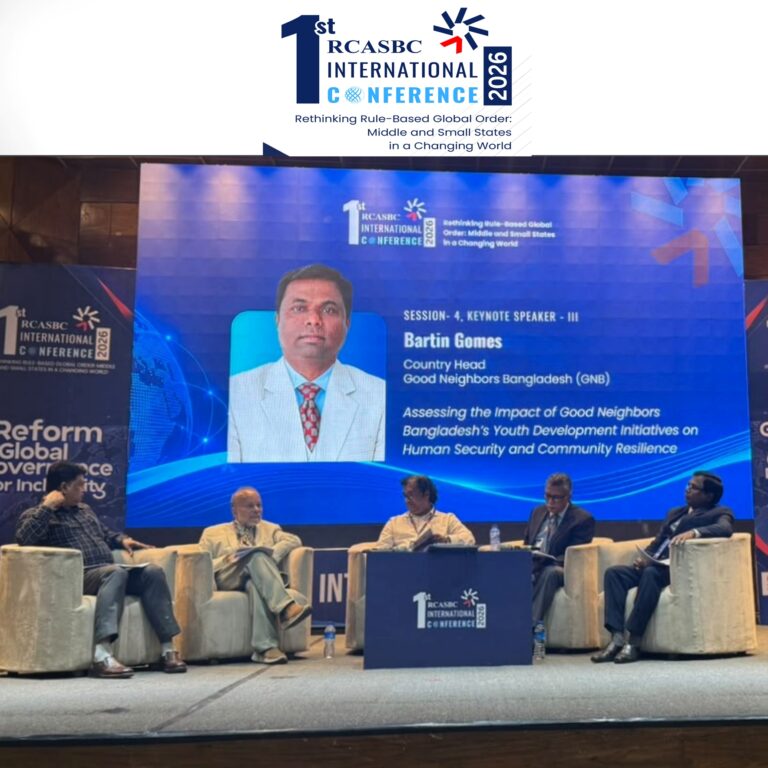
GNB Highlights Youth Development at the 1st RCASBC International Conference 2026
 September 4, 2026
GNB 30 Impact Stories | 2026
 August 15, 2026